
FuturEcology & EmGuard ™ June 2026
So, is it winter yet?
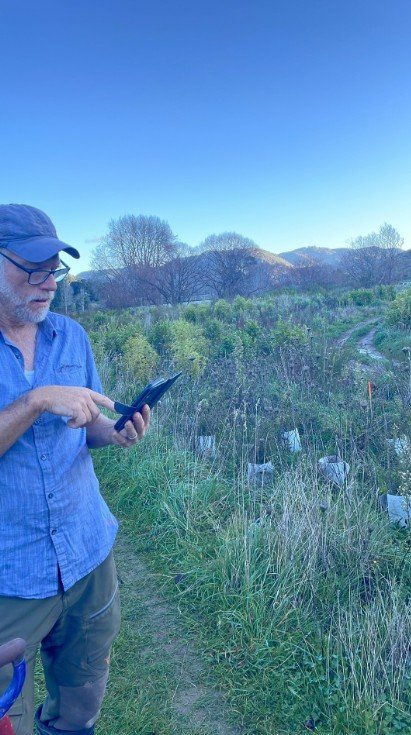
I’m not sure about your part of the country, but here in Nelson we have been outside planting in our t-shirts, it has been so warm.
While that is nice for us, it is not quite so ideal for our poor confused plants. The big worry is that they think it is spring and are putting on some young, soft growth which will be badly hit, if and when we get those winter frosts that we should be having at this time of year.
We even had a very persistent wasp or two hanging round us at lunchtime last week. That really bothers me too, as we rely on the winter to knock their population back.
Great to see so much planting happening though at the moment based on how the EmGuards are flying out to every part of the country. Keep up the great work.
We have had an interesting month in the conservation and ecology arena, both positive and negative.
Let’s focus on the positive, however. A month or two ago, we met with some staff members from Te Uru Rakau (NZ Forest Service), who are part of the Ministry for the Environment. As a result, they co-ordinated a meeting of local contractors who work in the conservation and forestry sector to explore how we can basically get better bang for buck in the environmental restoration sector. We mentioned this in the last newsletter and the feedback from the recent meeting supported some of the following suggestions. National standards for environmental restoration, specific and targeted training for restoration professionals and a national body to set and administer these standards. Something a bit like the Master Builders Association. The idea is that those people involved in this industry sector could be registered and certified, so that the client or customer can have some reassurance that the advice and work they are getting is up to certain standards. The Forestry sector does this very well, along with lobbying for their industry through the New Zealand Institute of Forestry.
Given the very fragmented state of the environmental sector and the ongoing erosion of the sector, it is probably time to seriously look at how we can all work together to get recognition for the importance of what we do.
On that note, the importance of saying thank you for a job well done is also vital, whether it be volunteers or contractors. People have widely different experiences and expectations of working with others. However, a job well done is worth taking the time and effort to say “thank you” to everyone involved and appreciating their contribution, paid or unpaid. Good contractors are generally hired for their expertise, dedication, and ability to complete complex tasks effectively and efficiently. They are hard to come by at times and should be appreciated.
I often watch Grand Designs, and I always feel the true heroes in that program are the builders, who turn everyone’s high level vision into actual reality.
At the end of the day, sound communication between all parties is the key to successful projects and happy people.
Interesting Observation
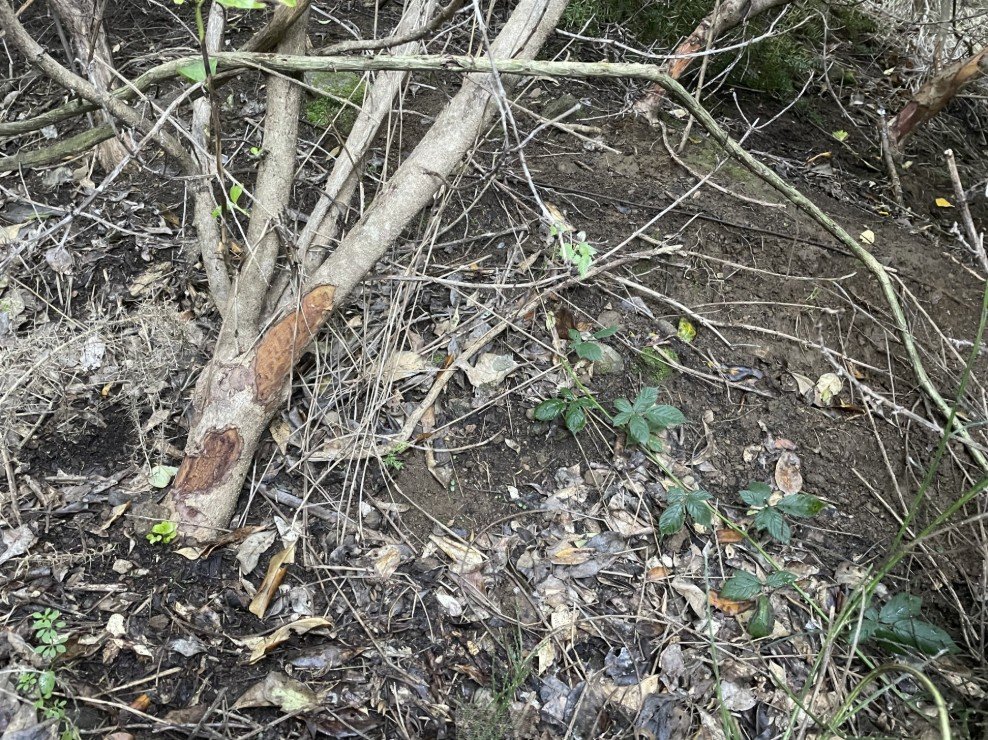
Yesterday, while the team was working at the Koata Mountain Bike Park in Nelson, they noticed that the bark round the base of the Coprosma robusta had been stripped off. It was over a fairly wide area. On closer inspection, there was evidence of rat droppings and teeth marks.
Coprosmas are related to coffee, so maybe the rats are getting a caffeine hit.
They also need to continuously gnaw on hard surfaces like bark to keep their incisors trimmed.
We have noted in other projects, that if rats are focused on a particular food source, it is difficult to get them to take bait in a trap.
2
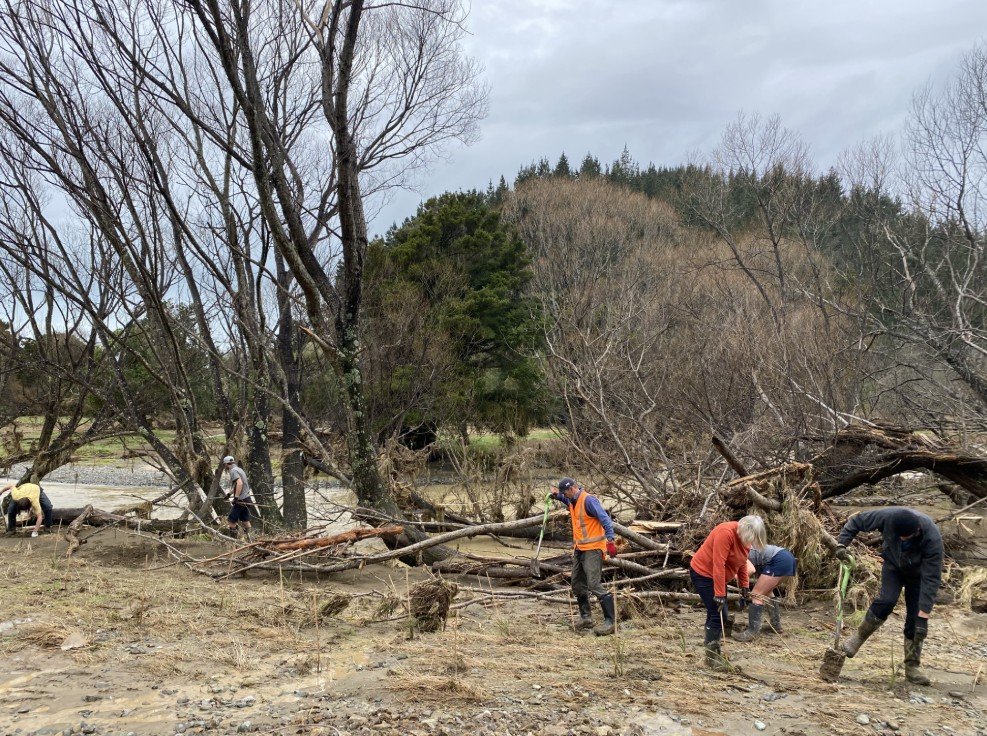
Post flood 2022
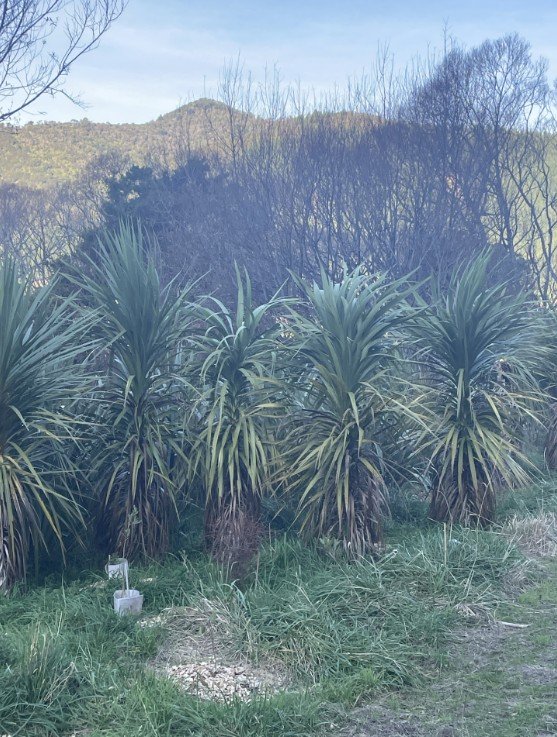
Same spot 2026
Plant of the Month
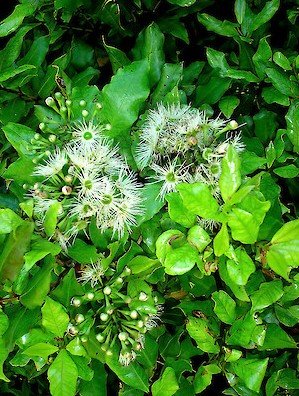
Syzygium maire, swamp maire or waiwaka
Picture: NZPCN
Planting along the Maitai River a couple of weeks ago, through an area that was ravaged by the 2022 floods, I stumbled across a tree about as tall as me with pale bark and yellowish oval pointed leaves. A swamp maire that we had planted about 4 years ago had survived.
It is a medium to large evergreen tree that will grow up to 16m tall with a trunk diameter of up to 0.8m.
The bark is pale and smooth, ranging in colour from white to a pinky-gray. Leaves are opposite, elliptical and yellowish green to green, glossy on top and paler underneath. They sometimes show small blisters or red spots. Flowers are creamy white, in clusters of 5-30 flowers with a brushy appearance, up to about 1cm wide with the clusters up to 10cm wide. Flowering occurs mainly from mid-summer through to midwinter. Flowers are followed by deep crimson, fleshy, berry-like drupes up to 3cm long, which contain a single large seed. These are actually edible and rich in antioxidants.
Swamp maire is found throughout the North Island and the northern half of the South Island, typically in coastal or lowland forest, swamps and stream margins. It will tolerate drier conditions, but prefers wet conditions and is drought intolerant. In swampy conditions, the tree can develop erect aerial roots or “knees” that are a bright red colour and originate from the lower trunk or exposed roots.
They will live in full sun to partial shade and are frost tender when young.
It has cultural significance for Māori, as the bark was used to produce a blue-black dye for dying harekeke. The fruit was an important food source.
Weed of the Month
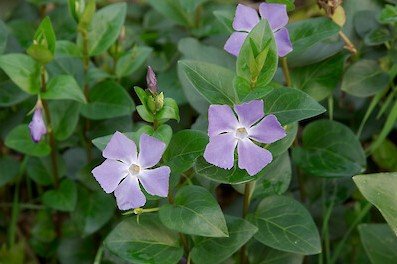
Vinca major, periwinkle
Picture: NZPCN
This is a prostrate, scrambling perennial plant with short rhizomes and green, hairless trailing stems up to 2m long. These stems can take root wherever they touch the ground.
Periwinkle has glossy, dark green and occasionally variegated (green and white) leaves, 3-7 cm long in opposite pairs on the stem. It is known for its distinctive solitary blue-violet, 5 petalled flowers up to 5 cm in diameter. These appear throughout the year, but seed is not generally produced.
Its creeping and layering habit is what creates the issue, as it allows it to form dense, long-lived stands. It tolerates semi-shade to full sun, most soils, wet or drought conditions, salt, hot and cold temperatures, damage and grazing. The perfect weed really.
Periwinkle is often spread through dumping of garden waste and water movement.
The problem with it, is that it will smother the ground and prevent native seedlings from establishing.
Control can be done as follows:
Physical removal of the whole plant by digging it out and disposing to landfill, burning or deep burial. Ensure no plant material is left onsite.
Smothering using black plastic or weedmat. It can be raked into mats or rolls and then covered. Hand remove any surviving plants.
Foliar spray. Glyphosate at 20ml/L plus an organosilicone penetrant 2ml/L to cover the entire plant.
Note that it is very difficult to kill and will require ongoing control measures and persistence.
EmGuard Update
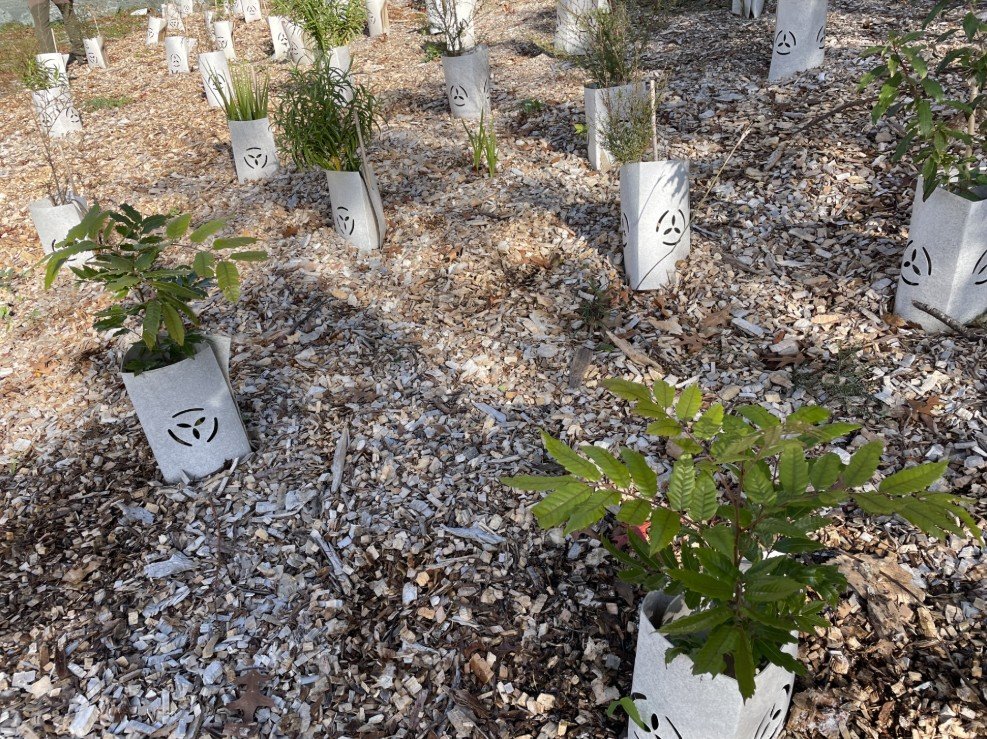
We have had a real rush on EmGuards this past month. Must be the warm temperatures we are still experiencing, even in June.
As mentioned in earlier newsletters, the factory that makes our guards in Hamilton is closing at the end of June. Another victim of high manufacturing costs in New Zealand.
We have been searching high and low for alternative board in New Zealand, but the best we can find is only light grade board. The key ingredient of a genuine EmGuard is the rigidity and strength of the board. We are now focusing our search overseas.
In the meantime, we have secured as many guards as we can, to take us through this planting season. Mind you, they are going out like hot cakes at present.
If you know your needs, please get in touch as soon as possible to secure your supply.
The price will increase from 1 July to $1.85 exc GST for EmGuards.
Wholesale rates for orders over 1500 (1 full pallet) will increase also by 5 cents per unit. Please enquire directly about qualifying for wholesale rates.
Freight is charged at cost.
Jan’s details are:
Ph: 027 497 5838
Interesting Snippets


The French Film Festival
We have had some real treats at the Film Festival this year.
Two of our favourites have been:
Colours of Time.
This film follows four cousins brought together by the inheritance of a Normandy house that has been closed up since 1944. It sends them on a discovery journey about their ancestor Adèle, who travelled to Paris in 1895, aged 21, in search of her mother. It is a film filled with art, photography, wonderful performances and nostalgia.
Santiago: The Camino Therapy
After the week I have just had, this was definitely the therapy I needed. Now I just want to do the real thing.
A rebellious teenager on the wrong track, struggling to contain his anger, and a mature woman carrying a past she is trying to come to terms with.
The young man, Adam, ends up in court and the judge sentences him to walking the 2000km Camino to reflect on where he wants his life to go. Fred, the woman, goes as his chaperone.
Gorgeous scenery, great acting and a warm uplifting story.
What we’ve been reading
He Puāwai
The Natural History of New Zealand Flowers.
Aotearoa has at least 2200 native species of flowering plants.
These have evolved specifically to the unique conditions found in this country and the vast majority grow nowhere else on earth.
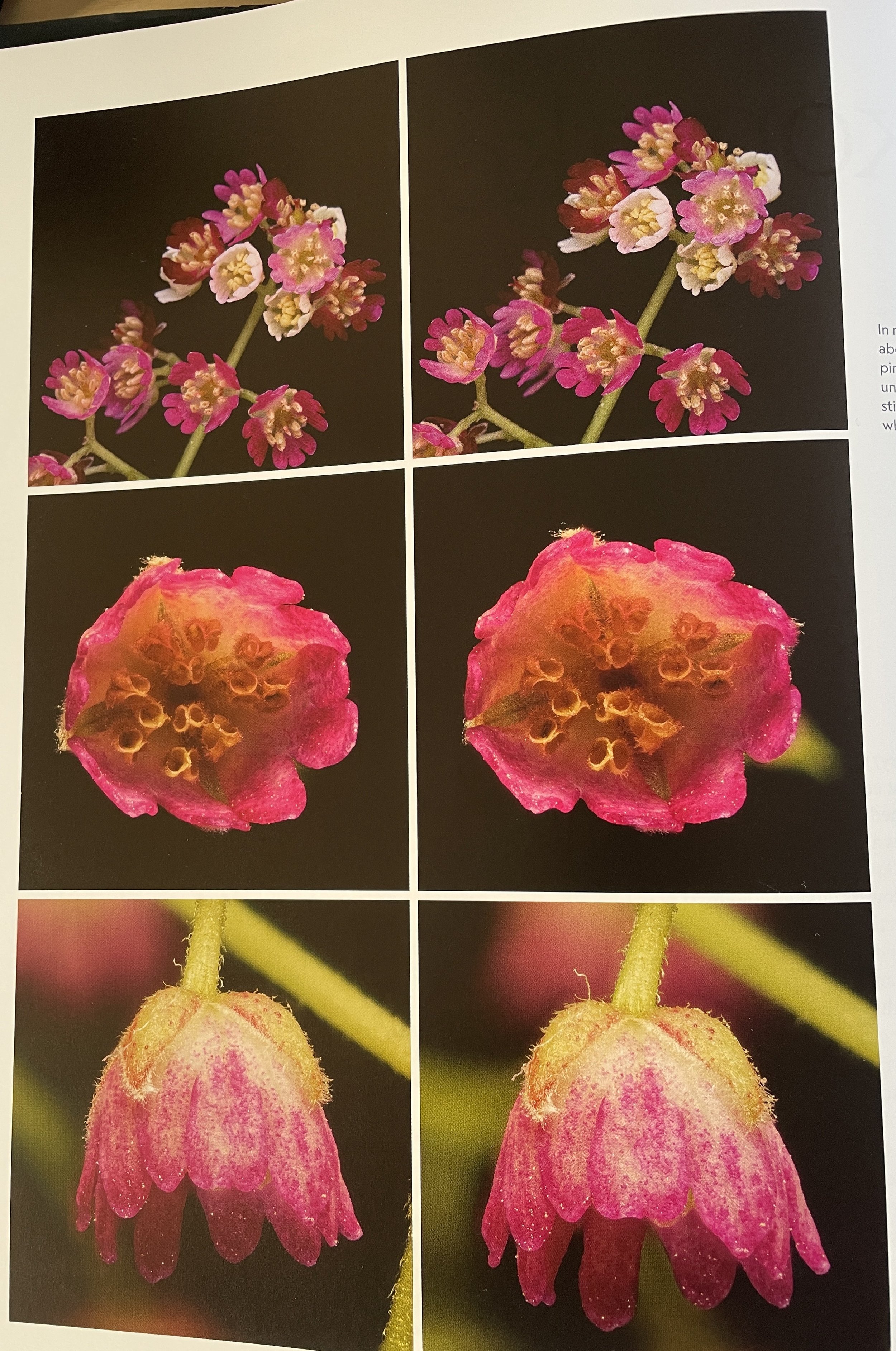
He Puāwai focuses on 100 native species, that represent the full range of flowering phenomena of Aotearoa.
It is an absolutely visually stunning book and includes a 3-D viewer, so you can really get inside the flower structure. It takes me back to the days of my Nana’s viewmaster.
Each flower is described, with some gems of information .
The book is quite amazing and is one that lovers of New Zealand plants should definitely own.

Conclusion
So The Ministry for the Environment has been scrapped.
Astounding in a country where we are experiencing severe storms every eight days, our biodiversity is in crisis, and we need to be absolutely focused on our future on this planet.
Now is the time for everyone to be working together to be the Lorax for the environment.
Our last week has seen some interesting experiences in relation to being contractors in the environmental field.
I don’t wish to dwell on it, but whether you are a volunteer, a community organization, a contractor, a corporate, or work for local or central government, we all need to be pulling together to ensure the environment is at the very top of the agenda.
Happy shortest day and don’t forget to get your garlic in.
If you have any projects in mind and would like to talk further, give us a call or pop in and see us.
We look forward to hearing from you!